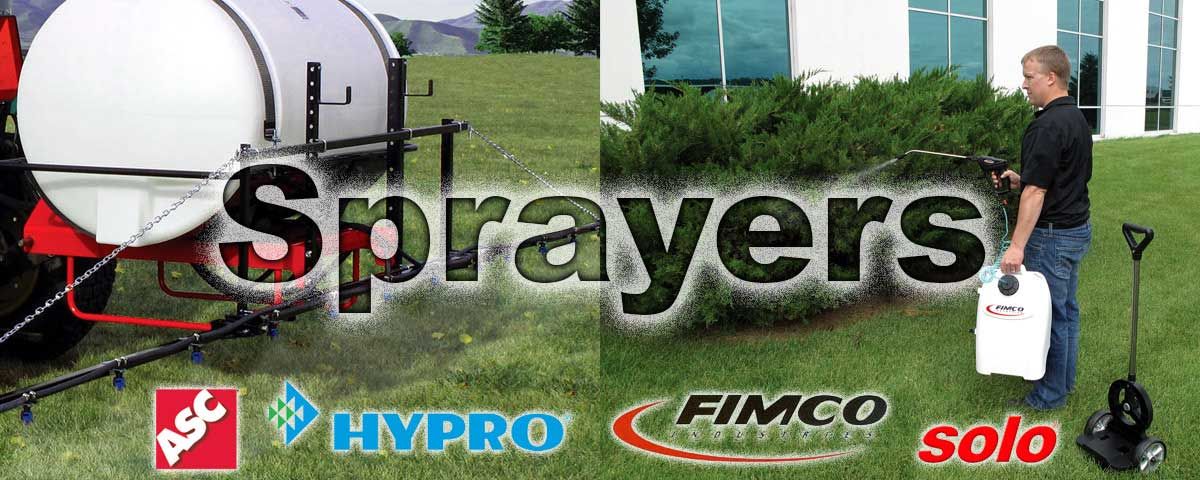
Agricultural crop spraying is a process used to apply herbicides, pesticides, and fertilizers. The goal in using agricultural sprayers is to encourage growth and prevent loss of crops due to pests—including weeds—and to prevent plant diseases. Agricultural spraying is important for everyone, because the public gets the benefit of broader variety and higher affordability for food as well as clothing. Because of the many types of agricultural sprayer applications, a wide range of agricultural sprayer types and agricultural sprayer parts are available.
Because of the many types of agricultural spraying equipment to choose from, it can be a challenge to settle on the best sprayer and parts for your particular needs, not to mention the agriculture spray pump price that matches what you’re willing to invest. To simplify the process and help you make the best choice based on the task at hand, here are some considerations to keep in mind.
Let's explore the top five things to think about when choosing an agriculture sprayer and sprayer parts:
In the end, taking the time to make an informed choice of sprayer and sprayer parts, and ensuring that you are caring for your equipment properly, will yield dividends for years to come. Luckily, at sites like Agrisupply.com, you can find a wide selection of the best brands and equipment at the best prices available. Agri Supply carries agricultural sprayers and agricultural sprayer parts, as well as thousands of other items to make life in the field a joy.
- The type of agricultural crop you are spraying. Whether it’s corn, soybeans, wheat, cabbage, or sunflowers, the type of crop you are treating may affect your choice of sprayer. The products intended for crop protection differ because different crops have different needs. In addition, different areas of the plant may need to be targeted depending on the pest and diseases meant to be eliminated or prevented. This is why precision spraying is important, and the right agricultural sprayer parts will need to be selected.
- The weather conditions in your area. The goal in agricultural spraying is to protect your crop and encourage growth. But you want to treat only your intended area. For many reasons, shielding nearby fields is a priority when using agricultural sprayers. Temperature, moisture levels, and wind speed are important considerations when estimating how far your liquid mixture will travel, and what the drying time will be. You need agriculture sprayer parts that will distribute your chosen chemicals in the required amounts, for the exact uses you intend. Consider this when choosing a nozzle. Your nozzle choice will affect the droplet size. It will also affect the speed at which the liquid is dispensed.
- The size of the area to be sprayed. The assortment of agricultural sprayers to choose from varies just as much as the possible crops to be sprayed. Depending on the size of your crop, for instance, you can choose anything from a hand sprayer with a one-liter capacity to a four-gallon backpack sprayer that can spray for ten hours. A very large job may require a three-point agricultural sprayer connected to a tractor or ATV.
- The current state of your equipment. Before you start a new agricultural spraying job, take the time to assess all your equipment and agricultural sprayer parts. Once you’ve determined what parts and equipment are best suited to your task, you still need to be sure that all those parts and equipment are in good repair. Test everything before starting, and replace or repair worn out parts. For example, have you examined your sprayer seal to make sure there is no leakage? Check your pressure as well.
- The time and effort vs. the money you want to spend. Weigh the costs and benefits when considering your desired agriculture spray pump price. A smaller or manual sprayer may be less expensive but may also take considerably more time and effort to use. Or, if you’re spraying a small berry crop, for instance, that may be just what you need to do that job. To avoid frustration, invest in the best quality and efficiency you can for the job you are doing.
Visit our Sprayers, Pumps, Parts, and Accessories to browse through the sprayer supplies you need.